
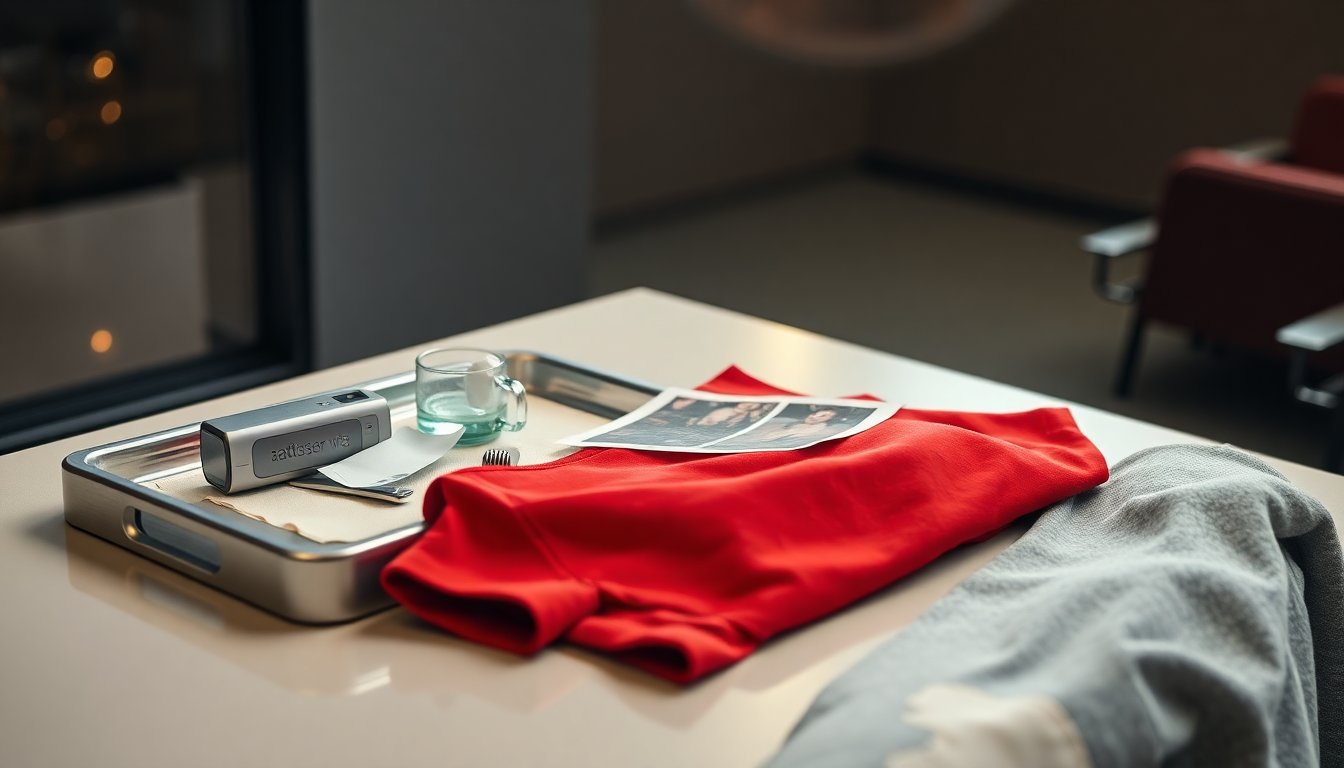
At the CinemaCon gathering on April 15, 2026, Pete Davidson stepped onto the promotional circuit for How to Rob a Bank with a look that drew as much attention as the film itself. The comedian and actor arrived in a casual ensemble—red short-sleeve shirt, grey sweatpants and accessories—yet what people noticed most were his forearms, which appeared unusually clear after multiple removal sessions. The public appearance served as a tangible sign of a transformation he has been discussing and documenting for years.
Pete’s recent outing was more than a fashion moment; it illustrated the steady progress of a deliberate choice. He previously experimented with appearing tattoo-free in a fashion campaign for Reformation on Valentine’s Day 2026 using body makeup, but the CinemaCon sighting offered a real-world snapshot of ink coming off his skin. This change reflects a broader personal project connected to sobriety and mental health decisions that he has shared in interviews.
The public reveal at CinemaCon
The Las Vegas event put Pete in the spotlight alongside director David Leitch as they discussed their movie about a crew of masked robbers who stream heists. While the conversation focused on the film, onlookers and photographers quickly zeroed in on his arms. The tattoos that once densely covered his skin were now reduced to faint outlines and negative space, giving the impression of a near-blank canvas. For many fans, it was the first clear evidence of the long, visible process he began years earlier.
Why he decided to remove most of his tattoos
Pete has been candid about the reasons behind his decision to reverse years of body art. He told outlets that the tattoos often acted as reminders of a turbulent past—one that included substance misuse and emotional instability—and that removing ink is part of a broader effort to start fresh. In his words, the images sometimes pointed back to a version of himself he no longer wanted to inhabit. That motivation ties into the concept of personal reinvention rather than a critique of tattooing in general.
Sentimental pieces he intends to keep
Although he has lasered off a large number of designs—reportedly from a collection that once numbered in the hundreds—Pete has emphasized that some tattoos are staying. Among the retained marks are tributes to family and cultural touchstones: a tattoo honoring his mother, multiple Sopranos-inspired pieces, and an identifier that remembers his father, a firefighter who died during the September 11 attacks on the World Trade Center. Those selections underline a distinction he draws between impulsive or ephemeral ink and imagery that carries enduring meaning.
What the removal process entails
The technical and physical reality of erasing tattoos is slow and often uncomfortable. Pete has described the routine as painful and heavily time-consuming: each tattoo removal session requires a multiweek recovery, and clinics typically space treatments to allow the skin to heal. He explained that full removal can involve a sequence of 10 to 12 appointments spread over many months, with maintenance and follow-up procedures extending the timeline. He has estimated that completing the work could span another decade, a timeframe that reflects both medical caution and the scale of his existing ink.
Pain, pacing and public education
Beyond the practical details, Pete has used his experience to caution younger fans who might get tattoos on impulse. He has filmed aspects of the process and been open about the discomfort involved, hoping to show what laser removal truly feels like and to make the trade-offs clear. While removal technologies have improved, the combination of unavoidable pain, staged healing windows and the need for repeated treatments means the commitment to become largely tattoo-free is substantial.
Pete Davidson’s CinemaCon appearance offered a snapshot in a long story: the visible clearing of decades of body art as part of a personal reset tied to recovery and family memory. Whether viewed as a fashion statement or a substantive life change, the near‑bare arms make the stakes of his decision plainly visible. As he continues work on his physical and mental health, fans and observers are watching a gradual process that blends medical procedure, symbolic renewal and public accountability.


