
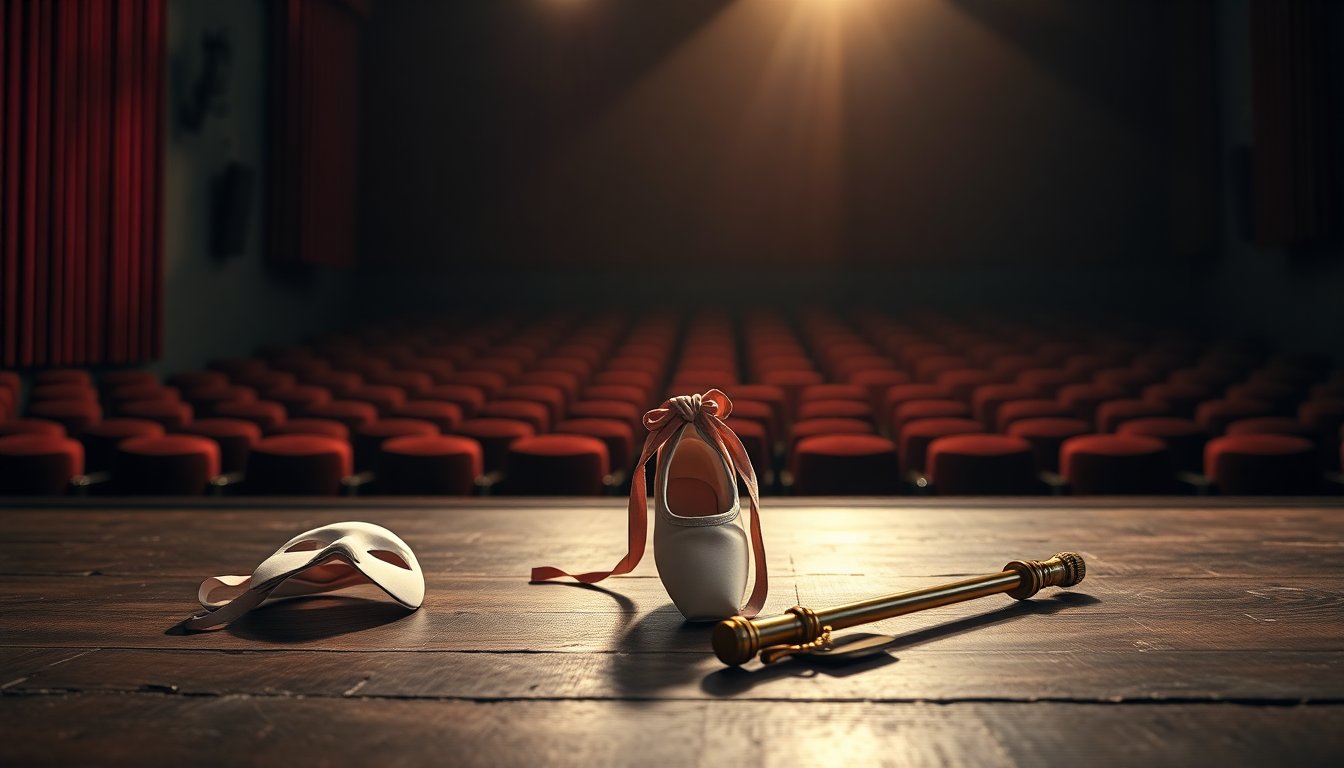
The controversy that followed remarks by Timothée Chalamet about classical stage arts grew into a broad public conversation about the value of live performance. At the center of the storm, Charlize Theron used a New York Times interview published on April 18 to defend ballet and opera, calling attention to the physical demands and cultural importance of these art forms. The story traces back to a Variety/CNN town hall in February, but media attention intensified in the second week of March after comments resurfaced shortly following Academy Awards voting.
The timing mattered: the remarks arrived on the heels of awards season and were cited by some as a factor in Chalamet‘s loss for best actor to Michael B. Jordan at the Oscars 2026. While the sequence of events is factual, reactions split between sharp criticism and an unexpected public surge of interest in the very institutions the actor had dismissed. The debate moved quickly from opinion to consequences — institutional responses, celebrity pushback and even a measurable change in audience behavior.
What Chalamet said and how the timing amplified it
During the town hall, Timothée Chalamet told host Matthew McConaughey he doubted the long-term viability of some classical performing traditions, suggesting they might be kept alive for their own sake rather than because audiences care. He framed his position in casual terms, noting a drop in personal viewership and implying that some forms feel out of step with contemporary attention spans. The comment circulated more widely in mid-March, after voting closed, which gave critics room to link the remark with the outcome at the Oscars 2026. Whether that link is fair remains debated, but the convergence of timing and visibility intensified the fallout.
How artists and institutions reacted
Leading cultural houses and performers pushed back. Renowned organizations such as La Scala and the Paris Opera publicly expressed dismay at being written off, and fellow actors entered the fray—among them Jamie Lee Curtis, who called the comments irresponsible and warned they could unfairly shape a performer’s legacy. At the same time, administrators observed an ironic effect: renewed attention brought people through the box office. The responses combined indignation with practical reminders that live performance depends on public stewardship and artistic advocacy.
Ticket sales and the paradox of controversy
In a twist, the controversy coincided with a spike in demand for tickets. Alex Beard, general manager of London’s Royal Ballet and Opera, reported sales jumped “spectacularly” after the media storm, noting younger audiences were a significant part of the increase. The phenomenon illustrates how public debate—especially when it touches on cultural institutions—can catalyze curiosity and attendance. Rather than proving the art forms irrelevant, the reaction suggested they remain culturally resonant and that controversy can sometimes function as an inadvertent promotion.
Charlize Theron’s defense: lived experience and the case for dance
In her New York Times interview on April 18, Charlize Theron described dance as one of the most grueling disciplines she has encountered, calling dancers “superheroes” for their endurance. She recounted how training instilled structure and perseverance, and she did not shy away from the physical toll: recurring blisters, infections and relentless rehearsal schedules that left little room for rest. Theron, who turned 50 last year, emphasized that these hardships are part of what makes the stage compelling and irreplaceable, arguing that the live human element cannot be fully replicated by technology like AI.
The discipline behind the stage
Theron stressed that the value of dance goes beyond spectacle; it forges a mindset defined by daily practice and refusal to quit. She warned against dismissing entire traditions, urging audiences and peers to “lift up” disciplines that require sustained sacrifice. Her remarks combined admiration for the performers’ craft with a cautionary note about the ease of diminishing an art form in casual conversation. In doing so, she shifted the focus back to the performers and institutions that sustain live performance, reminding the public that cultural survival often depends on respect, advocacy and consistent attendance.


