
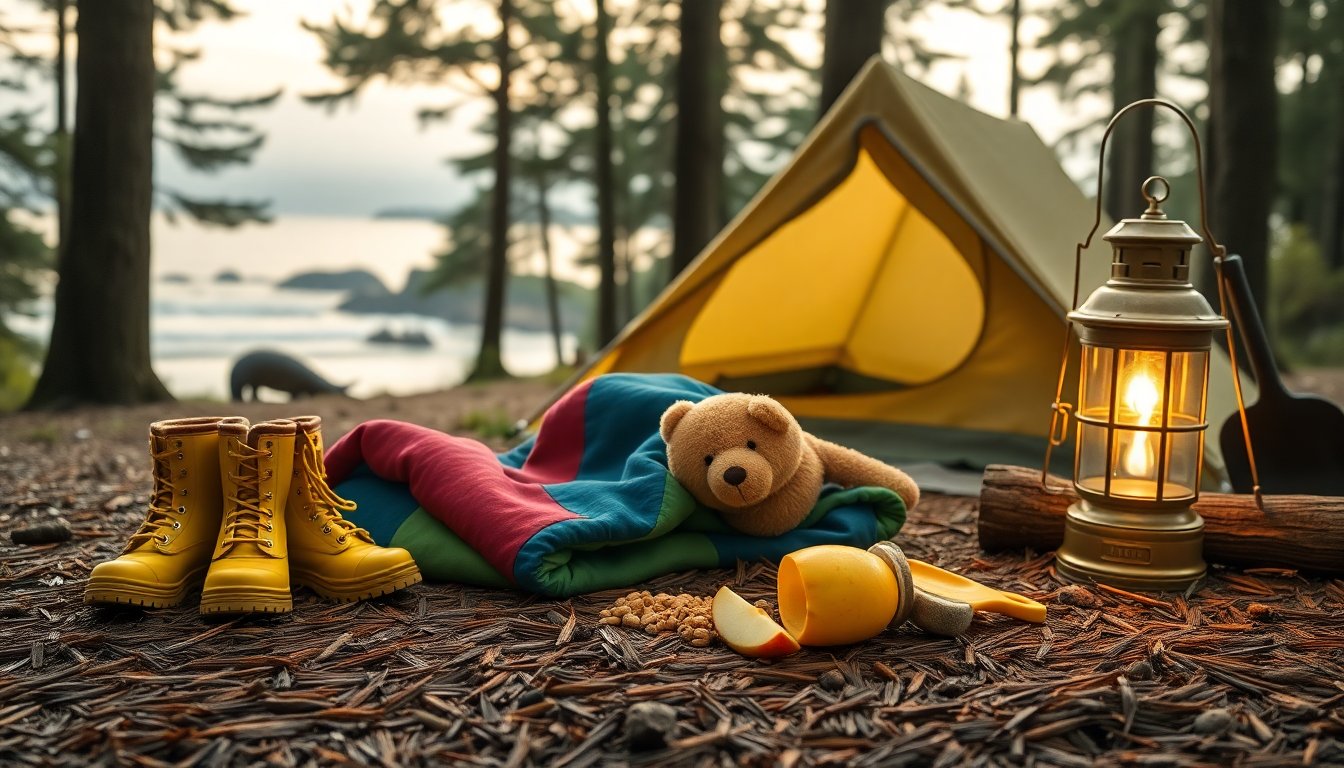
Before our lives included the noise of little feet, my partner and i spent anniversaries on a tree-lined island off the coast of Washington State. We would sleep in a single tent, step into the morning quiet, and hear harbor seals in the surf. That memory shapes how i approach family trips now: the goal is still connection and nature, but the path has to adapt to toddlers, snacks, and early bedtimes. This piece shares the practical and emotional adjustments i learned while taking kids into the woods. This reflection was first published on Cup of Jo and was published 15/04/2026.
Camping with children requires both logistics and temperament. Over several trips we discovered that simple changes in gear, schedule, and expectations made the experience less stressful and more rewarding. In the paragraphs that follow i outline six lessons that transformed our outings, explaining why they worked and how you can try them. The focus is on small, repeatable actions: packing differently, managing sleep, and reframing mishaps as part of the adventure.
Rethink packing: prioritize ease over minimalism
One big surprise was how little kids care about style and how much they care about routine. Instead of aiming for a bare-bones load, we started packing with intention: a compact sleep system for each child, an easy-to-use change of clothes, and a small stash of familiar comfort items. The term sleep system here means the layered combination we use—sleeping bag, liner, and a blanket that feels like home. That change alone reduced nighttime meltdowns. We also made a portable bin for food and dishes so mealtimes were faster. In short, pack fewer unnecessary things but bring the items that keep your child calm and functional.
Manage the day with predictable rhythms
Young children thrive on predictability, and the forest does not care about your schedule. We learned to create a loose, repeatable camp routine that includes a morning wake-up, a midday rest, and an early bedtime. The phrase camp routine means a compact sequence of actions—breakfast, short activity, snack, quiet play—that we repeat each day. When kids know what comes next, transitions are smoother and everyone enjoys the day more. This rhythm also lets adults anticipate low-energy windows so they can plan quieter activities or nap time near the tent.
Activities that scale with energy
Another insight is to plan layered activities. Start with low-effort options like leaf-collecting or insect observation, then have a slightly more involved task—building a tiny camp shelter or a simple nature collage—for when energy is higher. We keep a few lightweight, reusable options in a bag: magnifiers, a fishing net for tide pools, and a small sketchbook. The activity kit helps avoid the “i’m bored” spiral and gives children age-appropriate engagement without overplanning.
Preparation beats improvisation at mealtime
Meals are where trips can either fall apart or feel magical. Prepping a few cook-ahead components—marinated meat, chopped vegetables, and a simple cereal or snack box—saves time and stress. We use a dedicated meal tub so everything is at hand and safe from critters. Using basic meal planning tactics, like choosing recipes that reheat well and offering a predictable favorite for kids, keeps evenings pleasant. When dinner is calm, bedtime follows more smoothly and caregivers get a moment to breathe.
Safety, flexibility, and the power of calm
Finally, two practical truths: pack for safety and practice flexibility. We carry a well-stocked first aid kit, a small flashlight for night walks, and an extra layer for sudden weather changes. The safety kit is compact but comprehensive: bandages, antiseptic, tweezers, and blister care. Equally important is the attitude you bring: if something goes wrong, a calm response teaches kids resilience. Over time we shifted from fixing every little problem to modeling problem-solving, which made trips less frantic and more formative.
Camping with kids is not a perfect replay of pre-kid adventures, and it’s better that way. The lessons we learned—pack for comfort, set gentle rhythms, scale activities, prep meals, and prioritize safety—have turned our trips into reliable opportunities for connection, learning, and joy. If you’re heading into the woods with children, try one change at a time and notice how a small tweak can transform the day. For quick reference, our focus keywords are listed below to help you find similar ideas for family camping and outdoor parenting.


