

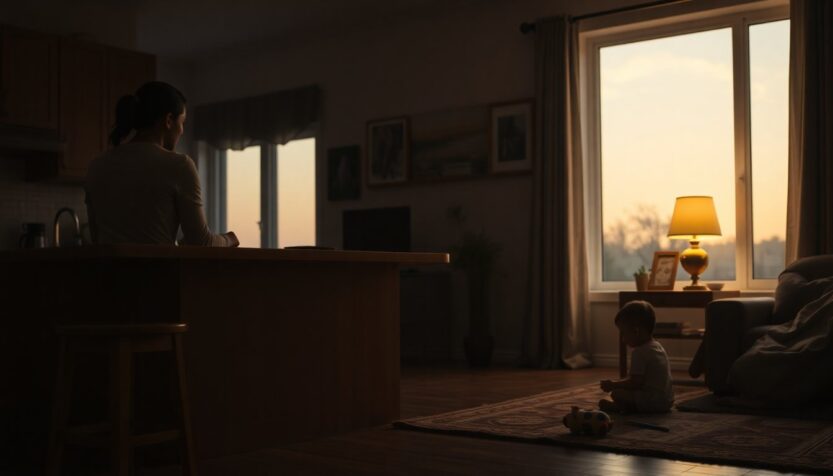
There are moments when I catch myself staring into space with a look I try hard not to wear in public. That quiet expression is the residue of long days and nights where priorities narrow to what keeps us safe, calm, and moving forward. In our home, the word survival has meant reorganizing schedules, learning new strategies, and holding tightly to small wins. When people say, “How do you do it all?” it lands like astonishment rather than kindness; what I most want is connection, not a compliment that suggests being overwhelmed is a spectacle.
My daughter is not a problem to be solved; she is a person whose needs sometimes make ordinary life look different. I use the term autism intentionally and also explain it where helpful: autism spectrum disorder describes a range of neurodevelopmental differences that affect communication, sensory processing, and behavior. Naming it helps me advocate for supports, but it doesn’t define her identity. Over the last three years, our learning curve has been steep and constant, and that time has reshaped how I ask for help and how I show up for her.
Daily rhythms: what our routine actually involves
What’s invisible to many is the amount of planning that goes into each day. A calm morning, a predictable routine, and clear transitions can prevent meltdowns and make outings possible. We map out steps, bring familiar objects, and sometimes leave an event early because comfort matters more than appearances. At home, we build pockets of predictability—visual schedules, quiet corners, and timed activities—that reduce anxiety. These are not indulgences but essential tools that allow my daughter to participate. When you see a parent steering a child away from a busy store or easing them into a car, know that those actions are rooted in thoughtful strategies, not impatience or failure.
Sensory differences and how they shape choices
Sensory sensitivity is a common part of many autistic experiences. Loud noises, crowded rooms, or unexpected textures can overwhelm, leading to shutdowns or intense reactions. We learn which environments to avoid and which adaptations help: noise-cancelling headphones, dim lighting, predictable seating, and advance warnings about changes. I emphasize sensory needs when discussing accommodations because small adjustments can transform a person’s ability to engage. Asking, “Do you need a quieter place?” or offering a calm alternative is often the most practical kindness you can show.
What parents like me need from friends, family, and strangers
Support rarely looks like dramatic gestures. More often it is practical, quiet, and steady. Accurate empathy—saying, “I can’t imagine how that feels, but I’m here”—is more helpful than amazement or pity. If you want to help, offer specific options: a few hours of childcare, dropping off a meal, or checking in with a text that doesn’t demand an immediate reply. These actions acknowledge the ongoing nature of our responsibilities and relieve pressure in ways compliments cannot. Above all, we appreciate when people treat our daughter as an individual rather than as a representative of a label.
Words and behavior that make a difference
Language matters. Avoid assuming intent or measuring progress by neurotypical milestones. Instead of asking, “Is she getting better?” try, “How are you both doing today?” Celebrations of small steps—eye contact, a new word, a calm car ride—are meaningful and worth recognizing. Likewise, simple courtesies like asking before touching or assisting, and respecting our choices about public outings, communicate respect. These gestures reinforce dignity and foster inclusion rather than making us feel like we must justify our decisions.
Seeing the whole child beyond diagnosis
My daughter loves music, stories, and certain rituals that brighten our days. She is playful, fierce about her preferences, and deeply affectionate in her own way. While autism informs how we organize our life, it doesn’t eclipse her talents, humor, or personality. I want people to notice her laugh, her curiosity, and her stubbornness equally. Embracing neurodiversity means acknowledging that differences are part of human variation and that support can unlock potential rather than merely managing symptoms.
Final thought
If you walk away with one thing, let it be this: we are asking for understanding more than awe. Please offer practical help, use thoughtful language, and see my child as a person with a rich inner life. When communities act with small, consistent kindnesses, they create space for families like ours to thrive rather than merely survive.